

Why Is Forklift Overheating? Common Causes

A temperature warning light during a loading rush is not a fault to work around. If you are asking why is forklift overheating, the machine is already telling you that heat is building faster than it can be removed. Continuing to operate can turn a manageable repair, such as a hose or thermostat replacement, into engine damage, lost shifts and an unplanned rental requirement.
Overheating means different things depending on the lorry. On diesel, petrol and LPG forklifts, it usually concerns the engine cooling system. On electric forklifts and reach lorries, excessive heat may come from the traction motor, controller, hydraulic system or battery. The right response starts with identifying which system is hot, then taking the lorry out of service safely.
Why is forklift overheating during normal work?
A healthy forklift should hold a stable operating temperature through ordinary lifting, travelling and idling. When it overheats during normal work, cooling capacity has usually been reduced, heat production has increased, or both have happened at the same time.
For an internal-combustion forklift, coolant carries heat away from the engine, the radiator releases that heat to the air, and the fan maintains airflow. A restriction, leak or failed component anywhere in that chain can cause temperature to climb. The fault may be gradual, appearing only on long shifts, or immediate after a hose failure or major coolant loss.
Do not assume a dashboard gauge is wrong just because the forklift still moves. A faulty sender is possible, but it should be confirmed through proper testing. Treat any high-temperature warning, steam, coolant smell or repeated coolant loss as a genuine operational risk until a technician has checked it.
Low coolant or an external leak
Low coolant is one of the most common causes. Small leaks at hoses, clamps, the radiator, water pump, heater circuit or expansion tank can slowly reduce the coolant level. The forklift may seem normal at the start of a shift, then overheat once it is under load.
Look for dried coolant residue, damp connections, puddles beneath the lorry and a sweet smell around the engine bay. Never remove a radiator or expansion cap while the engine is hot. Pressurised coolant can cause serious burns. Allow the machine to cool fully before checking the level according to the manufacturer’s procedure.
A blocked radiator or poor airflow
Forklifts work close to dust, cardboard fibres, plastic wrap, timber debris and oily airborne contaminants. These materials can pack into radiator fins and restrict airflow, particularly in warehouses, recycling areas, timber yards and construction sites. A clean-looking radiator from the outside may still be blocked between the cooling pack and the fan.
Bent fins, damaged shrouds and debris around the fan also reduce cooling performance. Cleaning requires care. High-pressure water or compressed air used too closely can flatten radiator fins and make the problem worse. The correct method depends on the radiator design and the contamination present.
Thermostat, water pump or fan faults
The thermostat controls coolant flow as engine temperature rises. If it sticks closed or opens only partially, hot coolant cannot circulate effectively through the radiator. A worn water pump, damaged impeller or slipping drive belt can create a similar result.
Fan problems are equally significant. Check for a loose or damaged belt, a cracked fan blade, a failed electric fan motor or an issue with the fan clutch where fitted. These faults may cause overheating mainly at low speed or while idling, because there is little natural airflow through the radiator.
Oil level and engine condition
Engine oil does more than lubricate moving parts. It also helps carry heat away from internal components. Low, degraded or incorrect-grade oil increases friction and operating temperature. An overdue oil service can therefore contribute to overheating, especially on older forklifts used for extended shifts.
More serious engine issues, including a blown head gasket, cracked cylinder head or combustion gases entering the cooling system, can force coolant out and cause rapid temperature increases. Persistent bubbling in the coolant tank, white exhaust smoke, milky engine oil or repeated overheating after basic repairs require a professional diagnosis.
Load, operating conditions and hydraulic heat
Not every overheating problem begins with a failed cooling part. A forklift that is consistently lifting near its rated capacity, travelling long distances with heavy loads or operating on ramps generates more heat than one used for light pallet movement. This does not mean the lorry is unsuitable automatically, but it does mean its cooling system must be in good order and the application must match its specification.
Hydraulic oil can also overheat. Common causes include low hydraulic oil, contaminated oil, a blocked filter, a relief valve fault, restricted hydraulic lines or a pump working under excessive pressure. Operators may notice sluggish lift functions, noisy hydraulics or hot hydraulic components alongside the temperature issue.
Ambient conditions matter as well. High outdoor temperatures, poor ventilation and long periods of idling place additional demand on the cooling system. However, normal hot weather should not cause a correctly maintained forklift to repeatedly enter an overheat condition. It often exposes a fault that was already developing.
Electric forklift overheating is different
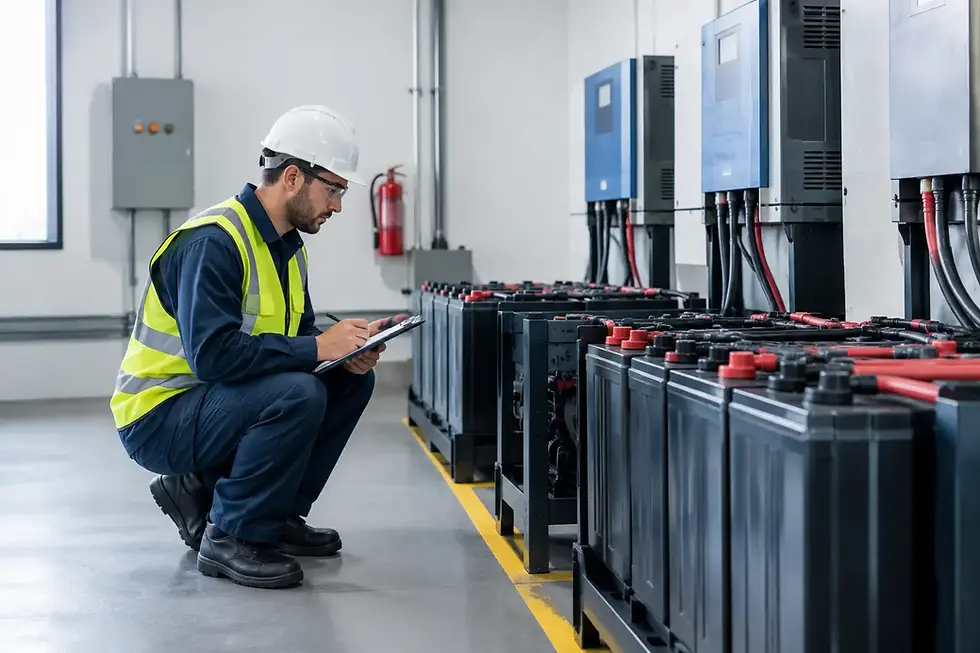
Electric forklifts do not have engine coolant systems in the same way as diesel or LPG models, but they can still overheat. The traction motor, controller, connectors and battery all generate heat under load. A thermal warning or loss of performance should be investigated before the machine is returned to work.
Battery-related heat can result from damaged cables, loose terminals, poor connections, charging faults, low electrolyte levels in suitable lead-acid batteries, or a battery that is reaching the end of its service life. Charging in an enclosed area without adequate ventilation can add to the risk, particularly with lead-acid batteries.
A motor or controller may overheat because of repeated heavy-duty use, poor ventilation around electrical compartments, worn motor components or an electrical fault. Electric reach lorries working at height and for long cycles can place sustained demand on the traction system. The repair approach depends on fault codes, battery condition and electrical test results, not guesswork.
What to do when a forklift starts overheating
The priority is to prevent injury and avoid escalating damage. Park the forklift in a safe location, lower the forks, apply the parking brake, switch it off and keep people clear of the engine bay or battery compartment. Do not continue moving pallets to finish the job if the temperature warning remains on.
Once the equipment has cooled, an authorised person can carry out a basic visual check. Record the warning shown, operating conditions, coolant level where safe, visible leaks and whether the fan was running. This information helps a service technician identify whether the issue is linked to cooling, hydraulics, the battery or the electrical drive system.
Avoid adding cold water to a hot engine, bypassing safety switches or repeatedly restarting a lorry that has shut down on temperature protection. These shortcuts can cause further damage and make diagnosis less clear. If coolant has leaked onto the floor, manage the spill promptly using your site’s safety procedure.
Preventing repeat overheating faults
Planned servicing is less disruptive than responding to a breakdown in the middle of a busy shift. Cooling systems need more than a quick top-up: they need inspection of hoses, clamps, belts, radiator condition, fan operation, coolant quality and pressure integrity. Electrical and battery-powered equipment needs equally regular attention to connectors, charging practices, ventilation and battery health.
Operators also play a useful role because they see changes first. A gauge creeping higher than usual, reduced lifting speed, a new coolant smell or a fan that sounds different should be reported early. Small observations often prevent a larger outage.
For fleets working across long warehouse shifts or demanding outdoor sites, review whether each forklift is correctly matched to its load, duty cycle and environment. A machine that regularly works at the edge of its capacity may need a different maintenance interval, better airflow management or additional rental support during peak periods.
When overheating occurs more than once, arrange a proper inspection rather than replacing parts one at a time. TTS Machinery can assess the fault onsite in Johor Bahru, provide an honest and fair repair recommendation, and help keep operations moving if a rental forklift is needed while your equipment is repaired.
A forklift that runs at the correct temperature is not simply more reliable - it protects your schedule, your load handling capacity and the people working around it. Act at the first warning, not after the next shutdown.


Comments